



11 ago An Instrument of Global Cooperation
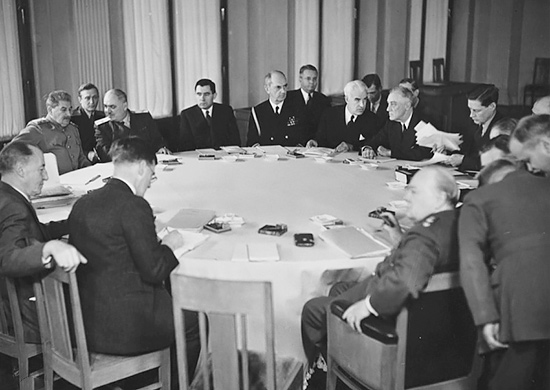
A striking example in which language interpretation was crucial occurred during the Yalta Conference in February 1945 in the Second World War. At this historic event, the leaders of the Allies – Franklin D. Roosevelt (USA), Winston Churchill (UK) and Joseph Stalin (USSR) – met to discuss the post-war course and outline the future of Europe.
The three leaders spoke different languages: Roosevelt and Churchill communicated in English, while Stalin spoke Russian. Highly qualified interpreters played a vital role, ensuring that the negotiations were accurately understood by all sides. They not only translated words, but also captured the tone, nuances and cultural context of the messages.
Without this linguistic mediation, the decisions taken during the Yalta Conference could have been distorted, jeopardizing the agreements that shaped world geopolitics in the following decades. Effective interpretation was key to avoiding misunderstandings and building a productive dialog between leaders at such a critical moment in history.
This case shows how interpretation goes far beyond language: it is an essential bridge to diplomacy, cooperation and mutual understanding, which are also sorely needed today.
By Christiano Sanches
Translator & Conference Interpreter
AT-CENTRAL DOS INTÉRPRETES